If you want to be among the first passengers off the plane, the answer is simpler than most guides make it sound: book an aisle seat in the front third of the cabin, as close to a usable exit door as you can get, and board in the earliest group. Door proximity decides how fast you move, not row number, and boarding order decides which door you use at all.
How to pick a seat for a quick exit after landing takes about five minutes of real work. The hard part is knowing what to look for on a seat map that barely labels anything.
Start with What You Need, then work through the steps below. I fly this pattern on roughly every connecting itinerary where the layover is under ninety minutes.
Table of Contents
- What You Need
- Step-by-Step
- Choose an aisle seat near the front
- Avoid seats directly beside high-traffic areas
- Balance exit speed with personal comfort
- Check the aircraft and seat map before booking
- Plan for boarding order and carry-on restrictions
- Confirm the seat and prepare for the landing rush
- Common Mistakes
- Frequently Asked Questions
- Does an exit row seat get you off the plane faster?
- Can exit row seats recline?
- What rows should I avoid on a plane if I want a fast exit?
- How do airlines decide who gets off the plane first?
- Is it worth paying for an exit row or preferred seat?
- Conclusion
What You Need
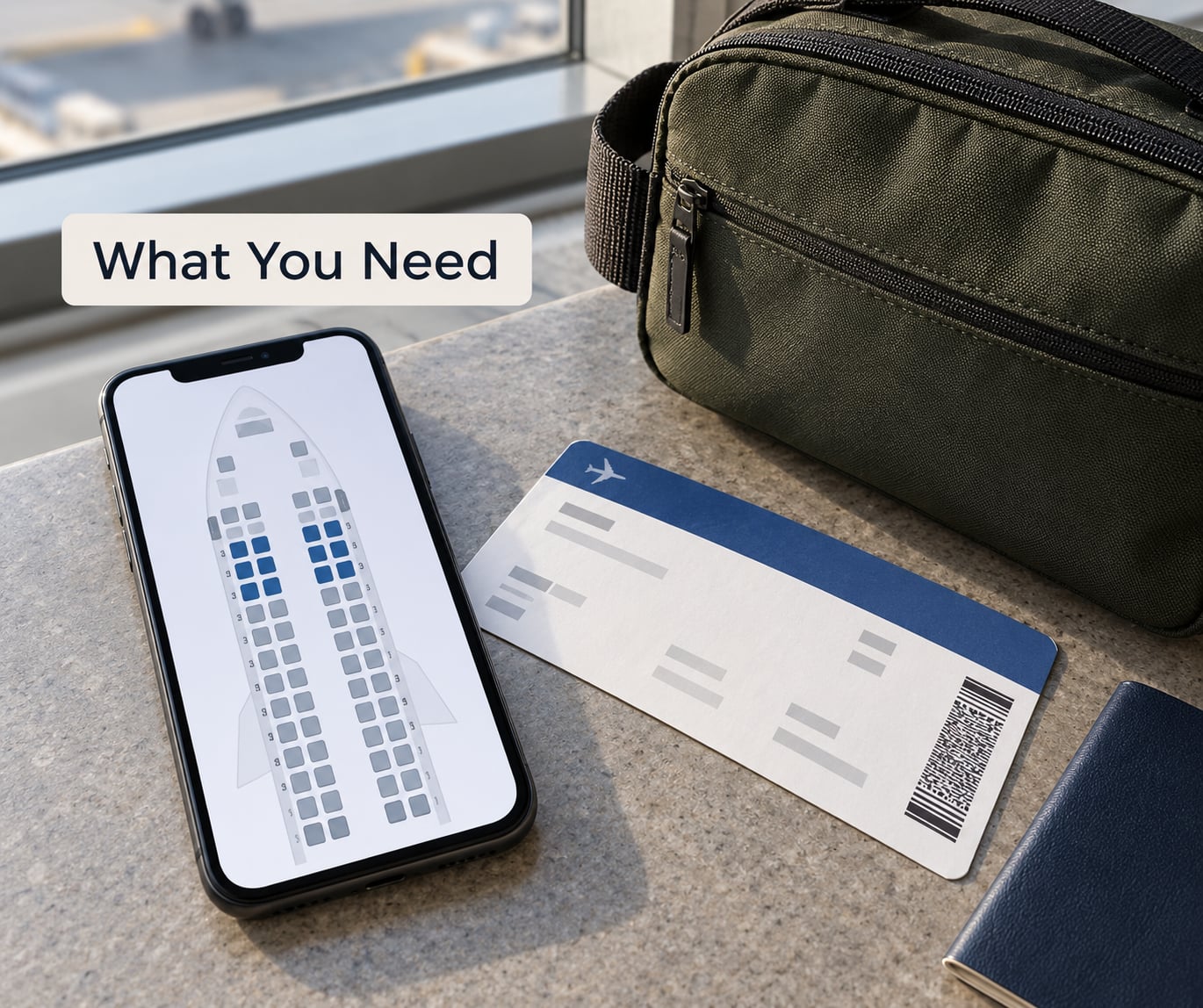
Before you choose anything, find out which aircraft is flying the route. The same flight number can be a narrowbody today and a widebody next week, and the exit row you wanted on one may be three rows from the rear door on the other. Seat maps only tell the truth once the aircraft type is fixed.
You also need to know whether your fare lets you pick a seat at all. Most main-cabin fares do, including many basic economy tickets, though the seat may cost extra on some carriers. Check the fare rules before you assume the seat map is your friend, because a fare that blocks advance selection usually blocks it at check-in too.
Next, look up the boarding order for your flight. Most airlines board in two or three groups by letter or by zone, front rows first. That single detail often matters more than the row you picked, and it costs nothing to check.
Finally, know your connection. If you are connecting, note the departure time, the terminal, and whether you land stateside or internationally. An international arrival with a passport control queue in front of you is a much stronger reason to chase speed than a same-terminal domestic hop.
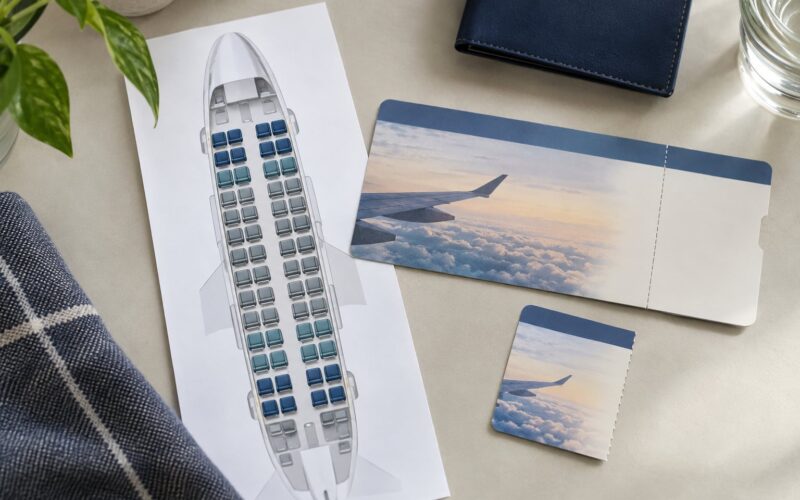
Two free tools make the seat map legible: SeatGuru and Aerolopa. Both show door positions, which rows recline, which seats lack a window, and which are removed for configuration. Screenshot the row before you book, because equipment swaps happen.
Step-by-Step
Choose an aisle seat near the front
A front-cabin aisle seat is the default answer because aisle passengers move first. A window passenger in the same row has to wait for the aisle to clear before they can step out, and by then three rows behind you have already moved.
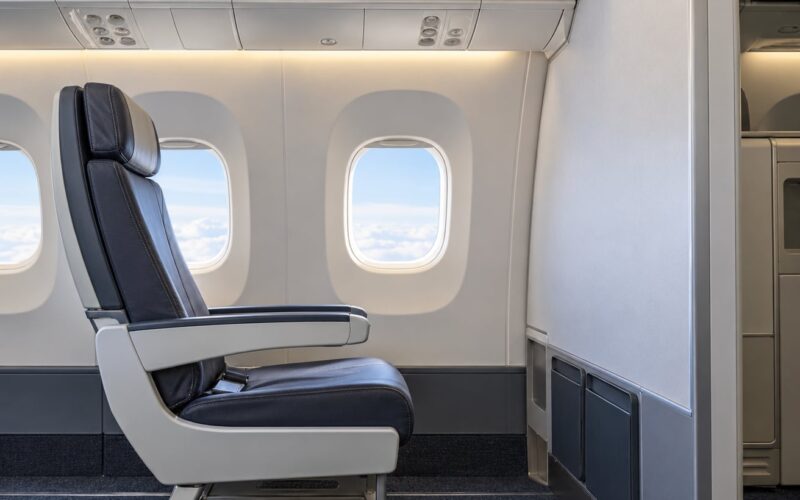
Aim for the aisle seat one to three rows behind a door rather than the first row in the cabin. The very first row is often a bulkhead row without a window, and it sits close enough to the galley that you trade quiet for speed. Rows one to six on a narrowbody are a reasonable target, a little further back on a widebody where the cabin runs thirty rows or more.
Avoid seats directly beside high-traffic areas
Convenient is not the same as fast. A seat next to the lavatories sits in the queue whether you want it or not, and the galley side of the cabin adds cart traffic, conversation, and service noise. On a full flight you can be waiting out a four-person lavatory line with a suitcase between your ankles.
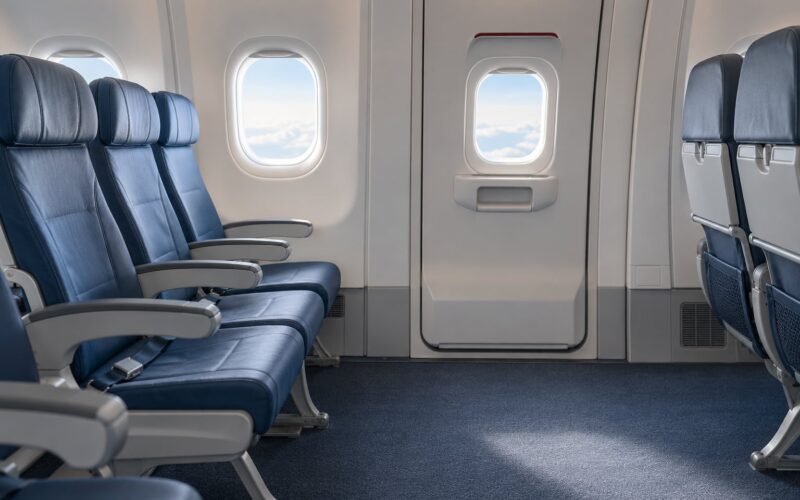
Over-wing exit rows are the real trap. You get extra pitch and a door nearby, but a chunk of that space is the exit hatch itself, so you lose under-seat storage, the tray table moves into the armrest, and the seat is often narrower and less padded. FlyerTalk threads are full of people who took the exit row once and swore off it after a red-eye in a narrow, cold seat with nowhere to put a bag.
One row behind the exit row is the underrated choice. You keep a window, a tray table that folds normally, and under-seat storage, and you are still close enough to the door to be in the second wave out.
Balance exit speed with personal comfort
Speed is not free. Everything in the front third of the cabin moves faster at taxi, takes a harder bounce in rough air, and sits closer to the engines. On a five-hour hop that is a trade most people accept. On a fourteen-hour overnight it is not, and pretending otherwise helps nobody.
- Aisle seat in the first 5-8 rows: fastest deplane speed. You give up galley noise and a tighter pitch.
- Aisle seat just behind the exit row: very fast, but exit row rules may move you to another row at the gate.
- Front cabin window seat: moderate. You wait for the aisle to clear before you can step out.
- Centre-cabin aisle near the over-wing door: moderate, with wing noise and a longer walk.
- Rear third aisle seat: slow. You move with the last group.
- Last row or the row before a closed rear cabin: slowest, with a lavatory queue, engine noise, and an obstructed exit path.
One wrinkle on widebodies: the rear-most door is often blocked or used only for special operations, so the back of the cabin has fewer usable exits than you would expect. On those aircraft the middle of the cabin can beat the back row.
Check the aircraft and seat map before booking
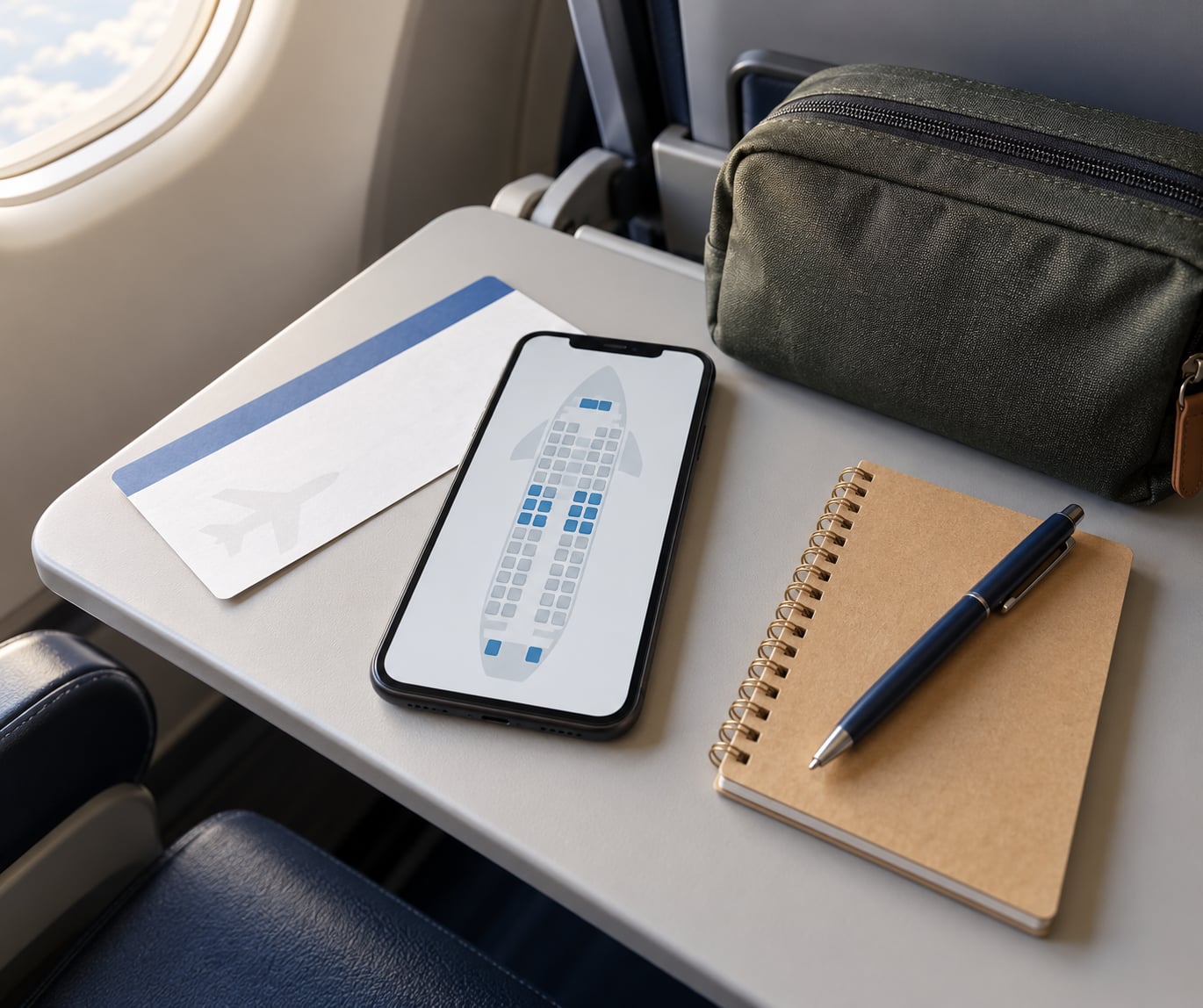
Open the seat map in the airline’s own booking flow, not a generic chart. Look for the door markers and count which rows sit immediately behind each one. If the row you want is marked with a non-reclining symbol, decide whether a night without recline suits your trip.
Check whether your seat has a window. Bulkhead rows and some exit rows do not, and some exit rows have no under-seat storage at all. On a full flight that means fighting for the overhead bin, so board early.
If you are booked through a third-party site, deal with the airline directly where you can. Seat changes are easier when the airline holds the reservation.
Plan for boarding order and carry-on restrictions
Your boarding group, not your seat, decides which door you leave through in most cases. Airlines call groups front to back, and the first group uses the forward door while later groups are directed to the back. That means the same aisle seat in the last boarding group gets off roughly when the front cabin has finished filing out.
Early check-in is the practical lever. Most carriers open it twenty-four hours before departure, and the cheapest fare category is usually assigned automatically at that moment. Set an alarm, be online when the window opens, and take the seat before the good rows go.
Carry-on rules matter too. A full overhead bin slows the aisle, and slow aisles are what make a whole cabin look stuck. If you are paying for a large bag that arrives in the hold, tag it before boarding so nothing has to wait at the front.
Confirm the seat and prepare for the landing rush
Once at the gate, check your boarding pass and confirm the seat letter, not just the row. Aircraft swaps can move you a few rows and nobody always tells you.
As you land, put the tray table away, stow the personal item, and wait for the seatbelt sign before standing. Crew almost always deplane a door at a time, and the front door opens first. Have your phone and passport out of the overhead bin before that door opens, and follow crew directions even if your row is closer to a different exit.
If you have a connection under sixty minutes and a gate change, skip the restroom and ask a flight attendant at the door for the fastest route to your next gate. They know which terminal corridor is open and which one will send you through another security queue.
Common Mistakes
Choosing a window seat. It is the fastest seat to settle into and one of the slowest to leave. If deplane speed is the goal, aisle or nothing, with the rare exception of a bulkhead row where the window side has its own small aisle access.
Assuming the front of the plane always exits first. The forward group almost always uses the forward door, but the rear group may be sent out of the same door on a full flight. Position and boarding order interact, and neither one alone decides it.
Ignoring aircraft differences. Row 22 on one plane is not row 22 on another. Confirm the aircraft type and re-check the seat map before every flight, especially on a multi-leg itinerary.
Taking an exit row on a long overnight. Non-reclining, narrow, cold, and often without a window. If the flight is longer than eight hours, the row behind the exit row is usually the better speed-to-comfort balance.
Paying for a seat and expecting priority. Some carriers sell priority boarding as a separate product, and elite status does not hand you the exit row you wanted. Buy the speed product if speed is what you are paying for.
Skipping the 24-hour check-in window. This is the step most people miss. Everything else on this list is wasted if the seat is assigned to someone else the moment check-in opens.
One more worth naming: sitting near the emergency equipment itself. Exit rows have eligibility rules, and cabin crew can move you at the gate if you do not meet them. Common requirements reported by passengers include being at least 15, being able to lift and assist with the door and to follow crew instructions in English, and not travelling with a small child, an infant, or a pet in the row.
Frequently Asked Questions
Does an exit row seat get you off the plane faster?
Often, yes, but not for the reason most people assume. The speed comes from being close to a usable door, not from being an exit row. The same is true of the row directly behind it, which keeps a window, a normal tray table, and under-seat storage. Eligibility rules also apply, and crew can move you at the gate if you do not meet them.
Can exit row seats recline?
Most of them cannot, or only barely. The seat in front sits where the recline space would be, so many exit row seats recline only a few degrees. SeatGuru and Aerolopa both mark these seats, and some airlines flag them in the booking flow. On an overnight flight that matters more than the extra legroom does.
What rows should I avoid on a plane if I want a fast exit?
Skip the rear third of the cabin, especially the last few rows, which move with the final group. Avoid seats beside the lavatories and the galley if you want to walk straight out. Also avoid non-reclining exit rows on overnight flights. On widebodies, check whether the rear-most door is usable before assuming a back seat is quick.
How do airlines decide who gets off the plane first?
They do not decide per passenger. They call boarding groups in order, usually front rows first, and open doors as the cabin clears. Passengers move toward the nearest usable door that the crew directs them to. That is why an aisle seat in an early group beats the same seat in a late group every single time.
Is it worth paying for an exit row or preferred seat?
It is worth paying only if the fare buys speed rather than legroom. Some carriers sell priority boarding separately from seat choice, and elite status usually does not guarantee the seat you want. If the extra cost covers both an early group and a front aisle seat, it pays for itself on a tight connection. Otherwise, check in at the 24-hour mark and take it free.
Conclusion
Open the seat map for the actual aircraft on your flight, find the aisle seat one to three rows behind a forward door, and set a reminder for the 24-hour check-in so you are online when the seat map goes live. Take it if the trip is short or the connection is tight. Leave it if you are flying overnight or need the legroom more than the extra ten minutes.