To avoid paying for seat selection, decline the seat map at checkout, book directly with the airline rather than through a third party, then take the free seat assignment when online check-in opens, usually 24 hours before departure. On most routes that assignment is a random seat, so what you end up with depends almost entirely on the fare you bought and how early you check in. It takes about ten minutes at booking and two minutes at check-in.
That is the short version, and it works most of the time. It stops working when the airline unbundles seat choice into a paid extra, when your fare class makes selection non-refundable, and when everyone on the flight checked in before you. This guide walks through what to look at before you pay and the seven ways to steer the outcome, including the cases where skipping the fee is a bad idea.
Table of Contents
- What You Need
- The fare type and what it bundles
- The airline’s seat map and how it prices
- The departure airport and the aircraft
- How many people are travelling and who they are
- Your cabin, fare class and status
- Your booking channel
- When paying for a seat is the right call
- Why airlines charge for seats at all
- Step-by-Step
- How to avoid paying for seat selection by booking the right fare
- How to avoid paying for seat selection by choosing a free seat at checkout
- How to avoid paying for seat selection by checking in early
- How to avoid paying for seat selection with airline status or elite benefits
- How to avoid paying for seat selection by using an eligible travel companion
- How to avoid paying for seat selection by changing the booking strategy
- How to avoid paying for seat selection before you travel
- Improving a free seat after the fact
- Common Mistakes
- Assuming seat selection is always free
- Buying through an unclear third-party channel
- Reaching check-in after the good seats are gone
- Leaving a paid seat in the basket by accident
- Paying before checking eligibility
- Believing declining selection can cost you the flight
- Believing every airline works the same way
- Chasing the myth that every airline has free seats at check-in
- Frequently Asked Questions
- What happens if I don’t pay for seat selection?
- Is there an airline that doesn’t charge for seat selection?
- How do I get a free seat assignment at check-in?
- Do airlines charge for seat selection on a basic economy ticket?
- Can seat selection fees be refunded?
- Does checking in early get you a better seat?
- Conclusion
What You Need
You need six pieces of information before you can work out whether the seat fee is avoidable, and most of them are on the booking screen already.
The fare type and what it bundles
The cheapest fare on any airline is a bundle of separate purchases: the seat, a carry-on bag, a checked bag, priority boarding and sometimes even the right to change your flight. Every add-on you give up is a decision you made at checkout, including the seat. Read the fare comparison table on the airline’s own site, not the summary a third party shows you.
The airline’s seat map and how it prices
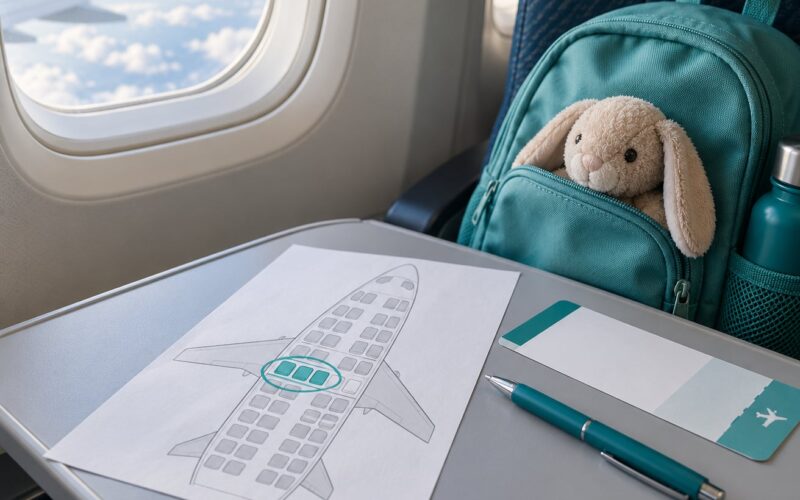
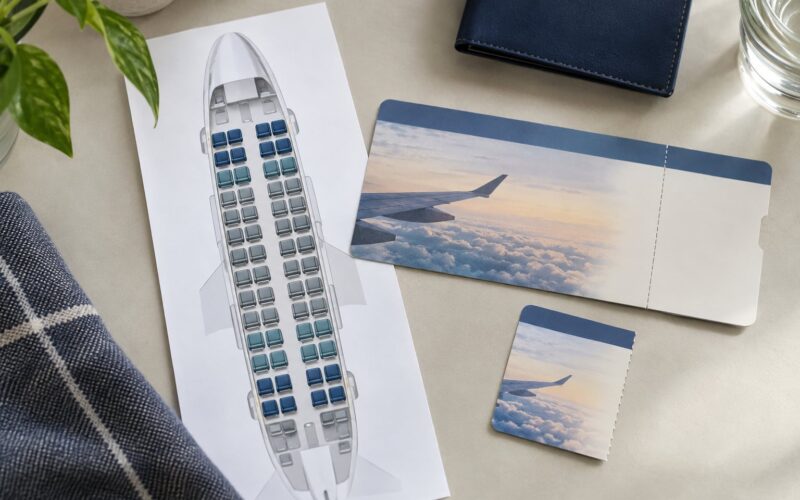
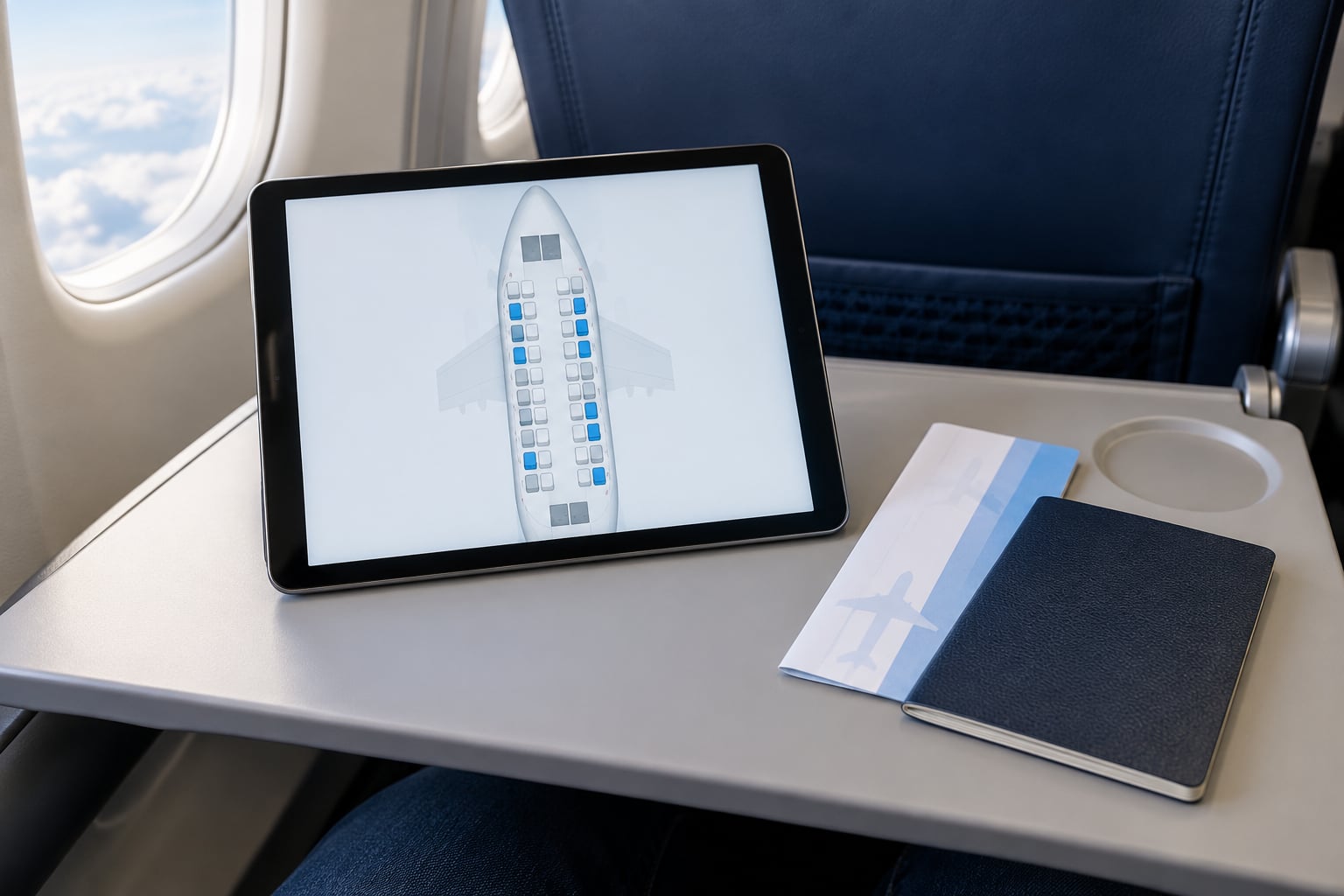
Open the seat map during the booking flow and see what this particular flight charges. Some maps show a price on every seat, some show a price on only a handful, and some show nothing at all. A map with a price on every seat tells you immediately that you have to decline to avoid the fee.
The departure airport and the aircraft
Seat layouts change by airport and by aircraft, so the policy that applied on your last trip tells you nothing about this one. A hub with a mix of widebody and regional jets means the same flight number can be a completely different seating problem depending on the day.
How many people are travelling and who they are
One solo passenger on a 90-minute hop is an easy case. A family of four hoping to sit together is the hardest case, and it is where the fee hurts most. Knowing your party size up front decides whether you treat the seat as optional.
Your cabin, fare class and status
Premium cabins usually include seat choice, and many main-cabin fare classes on full-service carriers include it as well. Status tiers and certain credit cards can grant advance or complimentary selection even in the cheapest fare.
Your booking channel
Booking through a third-party site can add a seat selection charge of its own, on top of whatever the airline charges. A large share of the surprise fees people complain about come from this step rather than from the airline.
When paying for a seat is the right call
Some trips are not worth optimising. Any flight of five hours or more is one of them, because a bad seat for five hours is a bad five hours, and legroom matters more than the saving. Add a child, a large passenger, a bad hip or knee, a long walk to the gate after a tight connection, and the arithmetic changes again.
Widebody aircraft are a second case. On a long-haul widebody the seats worth having are a small fraction of the cabin, so almost all of them are priced, and the free assignment can be a poor one. The saving from skipping is smallest exactly where the discomfort is largest.
Being realistic here is what separates saving money from gambling with your holiday. A middle seat on a two-hour hop costs you nothing worth thinking about. The same seat on an eleven-hour overnight flight is something you will still be thinking about when you land.
Why airlines charge for seats at all
It helps to know the model. A basic fare sells you transport from A to B and nothing else, and everything else is priced separately: the seat, the bag, the boarding pass, the meal, the legroom. Seat choice is one of the most profitable of those extras because it costs the airline almost nothing to give away and it captures the passenger who would have paid.
Consumer-protection rules in the US and the EU have tightened how these charges are presented, and some regulators have pushed airlines to show a fuller total earlier in the flow. That is progress, but it has not removed the seat charge, and it varies by route and jurisdiction. Treat any policy detail you find as something to verify with the airline for your specific booking.
Step-by-Step
These seven steps work in order. The first three handle most cases; the last four cover the situations where the fee is unavoidable or the outcome is uncertain.
How to avoid paying for seat selection by booking the right fare
Book a fare that includes seat selection, and the question disappears. Most full-service carriers offer a main-cabin fare with seat choice bundled in, and premium cabins almost always include it. On low-cost and ultra-low-cost carriers the cheapest fare usually excludes it, so the fix there is to compare the cheapest fare plus a seat against the next fare up, which often includes the seat anyway.
How you know it worked: the seat map after you pick your fare shows no price, or a note saying selection is included. The same check works on the airline’s fare comparison page, where the inclusions are listed fare by fare.
How to avoid paying for seat selection by choosing a free seat at checkout
If the fare does not include selection, skip the seat step. Do not click a seat to get it out of the way, and do not assume the flow will continue if you leave the map. Many booking flows are written so that choosing a seat feels like the obvious next action, and the upsell for a boarding pass or extra legroom sits on the screen you land on afterwards.
Two habits help. Take a screenshot of the fare total before you reach the seat map, so you can compare it with the final total at payment and spot anything added along the way. And watch the total yourself: if a charge appears that you did not ask for, back out of it rather than assuming it is part of the fare.
How you know it worked: the payment summary shows only the fare plus taxes and any add-ons you deliberately chose.
How to avoid paying for seat selection by checking in early
When you skip selection, the airline assigns a seat at check-in, and the order passengers check in decides who gets the better seats. Online or app check-in typically opens 24 hours before departure on domestic routes and 24 to 48 hours ahead internationally, though the window varies by airline and by airport. Check the airline’s help page rather than guessing, because arriving a full day early to find check-in closed is a waste of a day.
Check in as soon as your window opens, for the whole party, from the same device and the same booking reference. That keeps your group in the same boarding sequence, which makes a request to sit together at the gate far more likely to work. Forum threads about this are consistent on one point: travellers who check in together and then ask politely get a better result than those who assume the system will sort it out.
How you know it worked: your boarding pass shows a seat number, and it is one you would have picked yourself.
The timeline is simpler than people expect:
- At booking: decline the seat map, save the confirmation number.
- 24 to 48 hours before departure: check-in opens, close to the destination timezone on long-haul routes.
- The moment your window opens: check in online for everyone in the party.
- At the gate: ask early, before boarding starts, if the assigned seat is genuinely unusable.
How to avoid paying for seat selection with airline status or elite benefits
Status programmes, airline credit cards, employer travel schemes and military benefits can all change the rules, and the terms change regularly. What to look for is advance seat selection, complimentary selection in a fare class that otherwise charges, guaranteed aisle or window preferences, and the ability to hold a seat during check-in before general sales open. Enrolling in a free loyalty tier, where the airline offers one, sometimes gets you into the advance window even with no flights flown yet.
How you know it worked: the seat map opens earlier for your account than the published booking window, or the price on seats shows as waived. Verify the current terms in your account rather than trusting a blog, including what happens if you miss a flight and lose status mid-year.
How to avoid paying for seat selection by using an eligible travel companion
Some passengers do not get charged for seat selection at all, and the process changes for them. Children travelling with adults are routinely seated with their party, and airlines place unaccompanied minors and passengers with reduced mobility or a service animal through a special assistance request rather than the normal seat map. Completing the airline’s accessibility form before travel usually gets a seat fee waived and the assignment handled in advance.
Ask the airline directly instead of testing it at checkout, because the exception is far easier to apply before the booking exists than after. If a fee looks wrong for an accessibility reason, a passenger with a service animal, or an unaccompanied minor, ask the airline to review it, and keep the reply in writing.
How you know it worked: the assistance request is confirmed on your reservation before you pay, and the seat map is not the route you are taken through.
How to avoid paying for seat selection by changing the booking strategy
If every good seat is priced on your flight, the remaining options are about timing and aircraft rather than about tricks. Later flights on a bigger plane are often the cheapest way to a better seat. Moving to a less crowded departure means more of the seat map stays free, and asking the airline to move you is worth doing at the gate if the auto-assigned seat is genuinely unusable.
Families are the case that fails most often, so it is worth a specific approach. Check in together, from one device, at the same second. Then ask the gate agent at boarding, state your party size plainly, and say that you have young children or need to stay together. Traveller forums are blunt about the results: it works often enough to be worth asking, and it fails often enough that nobody should treat it as a guarantee.
You will also see a social media hack that involves checking in early, opening a second tab and holding a run of bad seats in a throwaway booking so random assignment avoids them. It circulates widely and it is not something I would rely on. Creating bookings to manipulate seat inventory sits against most airlines’ terms, and the airline can remove the hold or cancel the booking. If a seat matters enough to chase, spend the money on the seat or pick a different flight.
How you know it worked: you have a seat number before you reach the gate, and the booking is still intact an hour later.
How to avoid paying for seat selection before you travel
Run through this list the moment you book, then again before check-in. Confirm you declined the seat step and that the fare total did not change afterwards. Save the confirmation number and open the reservation directly in the airline’s app, where the free assignment will appear. Note when check-in opens for your flight, set a reminder, and check the seat map again once you have checked in.
At the airport, check in at a kiosk or on your own phone rather than at the staffed counter, because counter staff often talk you into buying a seat. If your seat is poor and the flight is not full, ask at the gate when boarding starts, not at the counter, and frame it as a legroom or accessibility problem rather than a preference.
How you know it worked: you never see a seat selection charge on your statement, and the whole process took under ten minutes.
Improving a free seat after the fact
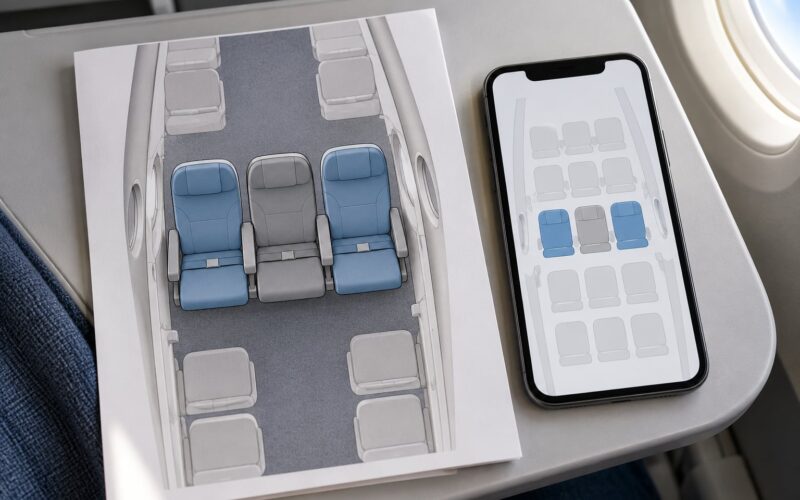
Once you have your free assignment, you can still work out whether it is a good one. Cabin seat maps and dedicated seat map tools show the layout for your exact aircraft type, so you can check what is in front of you, whether your row reclines, where the galley and lavatories are, and how far the exit rows sit from the galley. That last one matters more than people expect.
Most row maps also show which seats are extra legroom and which are near a wall, and many colour code the cabin by pitch. Two minutes of checking tells you whether you drew badly. If the answer is yes and the flight is not full, the gate is your free remedy.
Common Mistakes
Almost every complaint about seat fees traces back to one of these.
Assuming seat selection is always free
It is free on plenty of carriers and bundled on plenty of fares, which is exactly why people expect it everywhere. The expectation is reasonable and wrong often enough to cost real money, and it is the reason travellers are caught by the upsell mid-checkout.
Buying through an unclear third-party channel
A site that looks like a comparison tool may add its own seat selection fee during checkout, and it may not show that fee until the final step. Book with the airline directly when you want the airline’s policy and the airline’s seat map. If you must use a third party, check whether it sells the fare as including seat selection before you pay.
Reaching check-in after the good seats are gone
Automatic assignment hands out better seats first. A late check-in on a full flight can leave you with a middle seat near a lavatory, and the “check in late for a better seat” advice online is backwards for anyone hoping to be assigned well.
Leaving a paid seat in the basket by accident
Seat maps are designed to be clicked. One extra click during payment can add a seat to every passenger on the booking, and it is the single most common version of this story in travel forums. Screenshot the total before the seat step and compare it at payment.
Paying before checking eligibility
Accessibility needs, service animals, unaccompanied minors, status benefits and employer schemes can all waive the fee. Checking after paying means asking for a refund, and airline refunds for these charges are not automatic.
Believing declining selection can cost you the flight
Nobody is denied boarding for skipping a paid seat. A seat is assigned at check-in either way, and the only things you give up are the guarantees around which seat you get and whether you sit beside your party. This fear keeps a lot of people paying for something they did not want.
Believing every airline works the same way
Southwest runs open seating rather than assigned seats in most of its cabins, so the question does not arise the same way there, though paid options exist for extra space. The large low-cost carriers in Europe price nearly every seat on nearly every fare. Full-service carriers sit in between, usually including selection in standard and higher fares but not in the cheapest bucket. Learn the pattern of your own airline and stop re-researching it every trip.
Chasing the myth that every airline has free seats at check-in
On a full-service flight with open assignment, yes, there is usually something decent left. On a full low-cost flight, the free seats are frequently the ones nobody wanted, and on the aircraft types where the layout is tight, there may be no good option left at all. The advice that you can always get a good seat for free at check-in is true often enough to be believed and false often enough to cost you.
Frequently Asked Questions
What happens if I don’t pay for seat selection?
The airline assigns you a seat for free when you check in, either in the app or at the airport. You cannot choose it, you may be separated from people travelling with you, and you get no guarantee of an aisle or window seat. You are still boarded and flown like every other passenger, and you can ask at the gate to be moved if the seat you get is unusable.
Is there an airline that doesn’t charge for seat selection?
In the United States, Southwest is the best-known example, because it uses open seating rather than assigned seats in most cabins, though paid options exist for extra space. Elsewhere the answer is mostly no: the large low-cost carriers in Europe charge for nearly every seat, and full-service carriers usually include selection in standard and higher fares but not in their cheapest bucket. Check the specific fare, not the airline name.
How do I get a free seat assignment at check-in?
Check in online or in the airline’s app the moment your window opens, which is commonly 24 hours before a domestic departure and 24 to 48 hours before an international one. Do it for every passenger in your party from the same device and booking reference. The assignment appears on your boarding pass, and you can ask at the gate for a change if it is poor and the aircraft is not full.
Do airlines charge for seat selection on a basic economy ticket?
Usually yes, and that is the whole point of the fare. Basic and lowest-economy tickets usually exclude seat choice, a checked bag and sometimes a carry-on, and every one of those is sold back to you during checkout. Before paying for a seat on the cheapest fare, compare that total with the next fare up, which frequently includes the seat and still comes out ahead.
Can seat selection fees be refunded?
It depends on how the seat was bought. A seat included with your fare is not a fee and is not refundable, while a separately paid seat is often refundable only if the fare itself is refundable and the rules for that airline allow it. Fees tied to accessibility assistance, service animals or unaccompanied minors should be waived, and if you were charged in error, ask the airline in writing and keep the reply.
Does checking in early get you a better seat?
When you have not bought a seat, yes, because automatic assignment works in boarding order and the better seats are given to whoever checks in first. Once you already hold a paid seat, checking in early changes nothing about where you sit. The exception is a flight that is nearly empty, where a polite request at the gate can still move you to something better.
Conclusion
Start before you pay: read the fare’s seat rules, decline the seat map, and confirm your total has not changed. Then use the airline’s own app, check in the moment your window opens, and claim any benefit your status or circumstances already give you. That sequence handles almost every trip, and on the rare flight where the outcome is poor, a polite request at the gate is a free second chance.