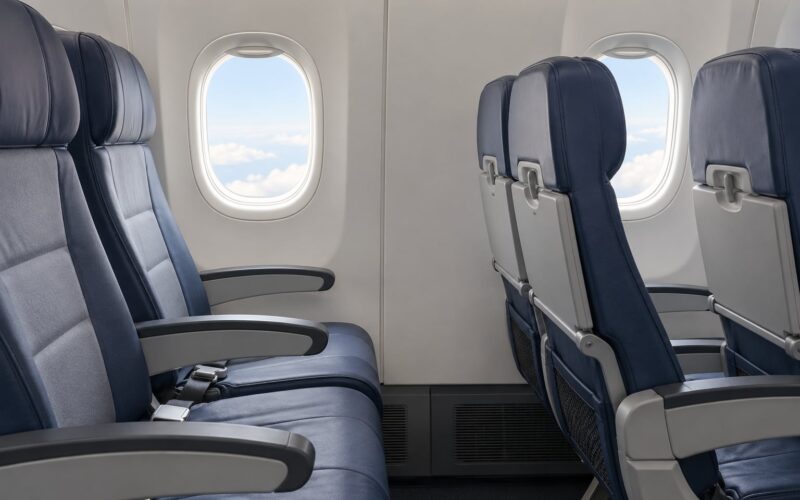
Bulkhead vs exit row, which is better? Short answer: pick the exit row if your priority is raw legroom and you meet the airline’s eligibility rules, and pick the bulkhead if your priority is sleeping without a stranger’s seatback in your face, or open floor space for a travel cot. Neither label is universal, so the aircraft layout usually has the final say.
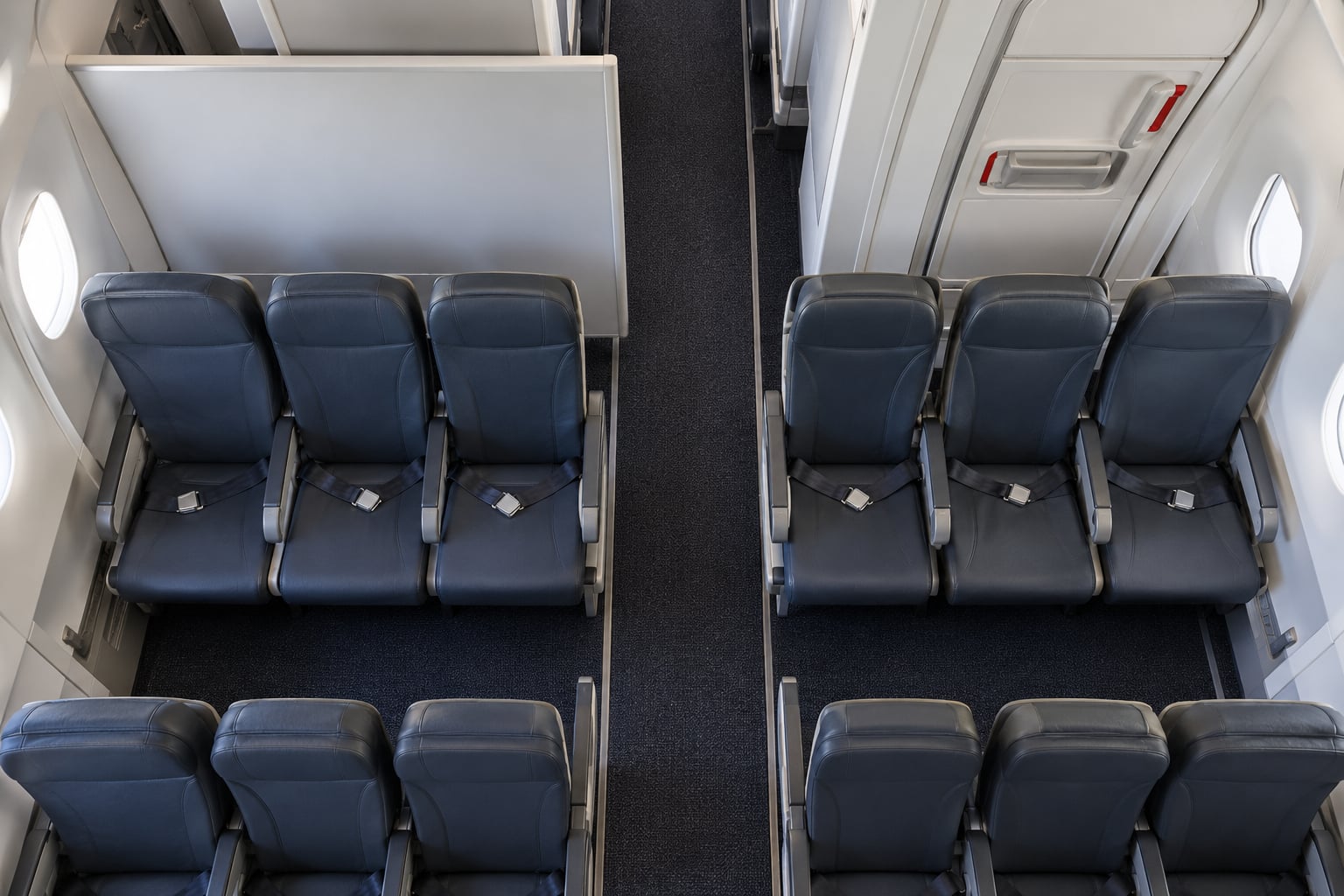
A bulkhead seat is the row directly behind a solid cabin wall, which means no passenger is sitting in front of you. An exit row sits beside an emergency door and gains space from the door structure and the missing row ahead. Both add front-to-back room, and both cost something quietly.
Table of Contents
- Bulkhead vs Exit Row Which Is Better at a Glance
- Legroom and Floor Space
- For a tall traveller
- For laptop work
- For standard carry-on bags
- Noise, Disturbance, and Service Interruptions
- Bassinet Space, Children, and Safety
- How Do Bulkhead vs Exit Row Seats Affect Children and Infants?
- Eligibility, Accessibility, and Seat-Selection Rules
- How to Choose the Better Seat for Your Flight
- Which Should You Choose?
- Frequently Asked Questions
- Are bulkhead seats quieter than exit-row seats?
- Do exit-row seats always have the most legroom?
- Can a passenger travel with an infant in an exit row?
- Are bulkhead seats always available for a bassinet?
- What should I do if both bulkhead and exit-row seats are unavailable?
- Conclusion
Bulkhead vs Exit Row Which Is Better at a Glance
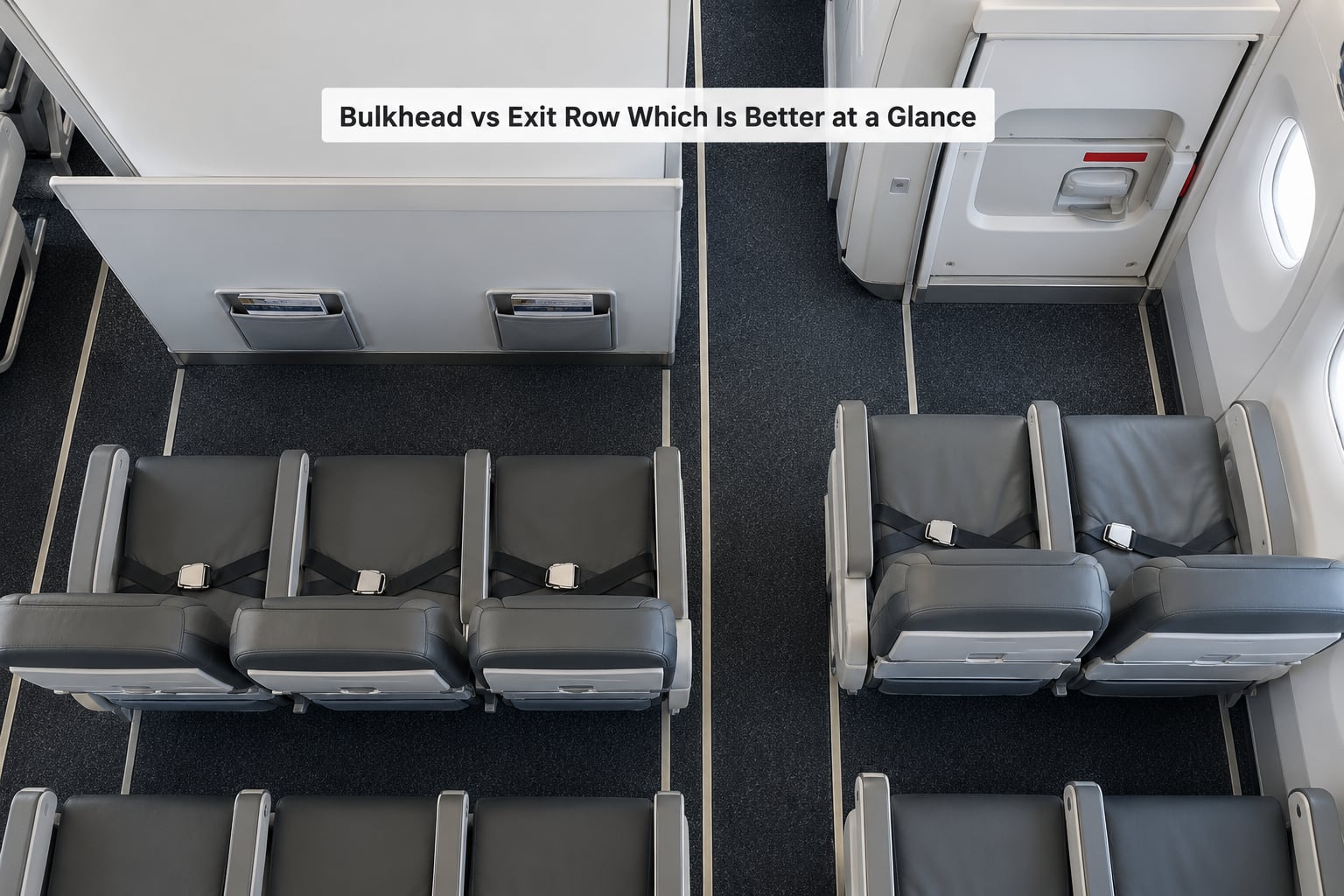
| Criterion | Bulkhead row | Exit row |
|---|---|---|
| What defines it | Row behind a solid cabin partition | Row beside an emergency exit door |
| Legroom gained | No seat in front, so nothing to recline into | Open floor area plus door-frame fittings |
| Extra floor space | Good, often usable flat with a footrest | Good, but footwell geometry varies |
| Bassinet accommodation | Commonly designated bassinet rows | Rarely suitable for a bassinet |
| Noise exposure | Galley, lavatory or closet wall behind some bulkheads | Door-area airflow and cabin movement |
| Service interruptions | Frequent when the wall is a galley or lavatory | Fewer galley trips, more boarding and deplaning traffic |
| Child travel | Floor space for a cot, but fixed armrests | Restricted by age and ability rules |
| Accessibility | May conflict with accessible seating policy | Restricted; not suitable with some assistance needs |
| Best for | Sleepers, parents, tall flyers who like a footrest | Eligible adults who want maximum space |
Legroom and Floor Space
Exit rows usually win the raw legroom contest. Standard economy pitch tends to run around 30 to 32 inches, while bulkhead rows commonly measure roughly 38 to 45 inches depending on the aircraft. Exit-row pitch varies more than people expect, because the door mechanism and sidewall fittings shape the footwell.
The number that matters is usable legroom, not pitch. Pitch measures wall to wall. Usable space is what your knees and feet actually get, and an exit row with a narrow footwell can lose to a bulkhead on a tall frame.
For a tall traveller
Over about six feet, judge by footwell depth rather than pitch. Bulkheads tend to be deeper because there is no seat pedestal in front, and they work well with a footrest propped against the wall. Exit rows give you more raw room but sometimes angle your knees outward around the door frame.
For laptop work
Bulkhead tray tables fold out of the armrest and tend to be narrow and wobbly, with no seat in front to lean against. Exit-row tables are sometimes fixed or armrest-mounted on certain aircraft. Either way, a slim laptop that fits closed depth-wise survives the trip better than a thick one.
For standard carry-on bags
This is where bulkheads cost you. There is no under-seat storage, so your bag goes in the overhead bin before takeoff and often during taxi and landing. Exit rows keep a small under-seat space on most aircraft. Pack a day you can wear or sling under your legs, and keep your laptop and headphones on your person rather than in a bin.
Noise, Disturbance, and Service Interruptions
Neither row type is reliably the quiet one. The label tells you almost nothing about noise; the wall behind the bulkhead and the position in the cabin tell you nearly everything.
- Bulkheads: many sit behind a galley or a lavatory, so you get carts, lids, footsteps and queues. On wide-bodies you may be seated in view of a crew jump seat and hear every bag handled nearby.
- Exit rows: boarding and deplaning traffic funnels past the door, and on some aircraft you get more airflow noise and intermittent door-area sound.
- Watch for the closet trap: frequent flyers on forums point out that a bulkhead is sometimes a floor-to-ceiling wall, a closet or a bathroom wall rather than a flat partition. That one is worth avoiding.
If you are a light sleeper, the deciding factor is how many service interruptions break your sleep, not the average cabin noise. A bulkhead behind a galley can mean someone walking past your head 30 times an hour.
Bassinet Space, Children, and Safety
Families care about this one more than anyone else, and the two seat types behave completely differently.
Bulkhead rows are where airlines typically mount bassinets, because there is a flat wall to attach the frame to and floor space to work with. Bassinet spots are limited per flight and usually have to be requested in advance, sometimes with a fee, and they can sell out on popular routes.
Exit rows are a poor fit for infants and small children. U.S. rules set a minimum age for occupying an exit row, and carriers also require the passenger to be physically able and willing to perform evacuation duties. A lap infant conflicts with those duties, which is why airlines move families out of exit rows after boarding.
How Do Bulkhead vs Exit Row Seats Affect Children and Infants?
A bulkhead wins for infants because the floor space fits a travel cot or a bassinet and there is no seat in front for a child to kick against. Its drawback is the fixed armrest between you and a partner or lap child, which parents on parenting forums mention often.
An exit row is not a family seat at all. The age and ability requirements exclude most children, and the open floor area is tempting but not usable with a lap infant. If you are travelling with a toddler and an infant, request a bulkhead with bassinet space early and treat the exit row as off the table.
A spacious-looking seat is not automatically a good seat for a child. A cot needs a stable wall, a clear floor and a nearby crew jump seat for safety, not just elbow room.
Eligibility, Accessibility, and Seat-Selection Rules
Many airlines restrict exit rows to passengers who are at least 15 years old and can perform evacuation duties. That rules out younger children, passengers who need assistance to reach the exit, and anyone the cabin crew judges unable to operate the door or slide.
Accessible seating interacts with bulkheads too. Bassinet rows and some bulkhead positions can be held for travelers with disabilities or mobility needs, and a caregiver travelling in the same row may be seated there as well. That means a bulkhead you can select online may not be selectable at all on your flight.
Treat all of this as airline-specific and changeable. Rules vary by carrier and by country, and cabin crew make the final call at the door. Never assume a seat you can click will actually be given to you.
How to Choose the Better Seat for Your Flight
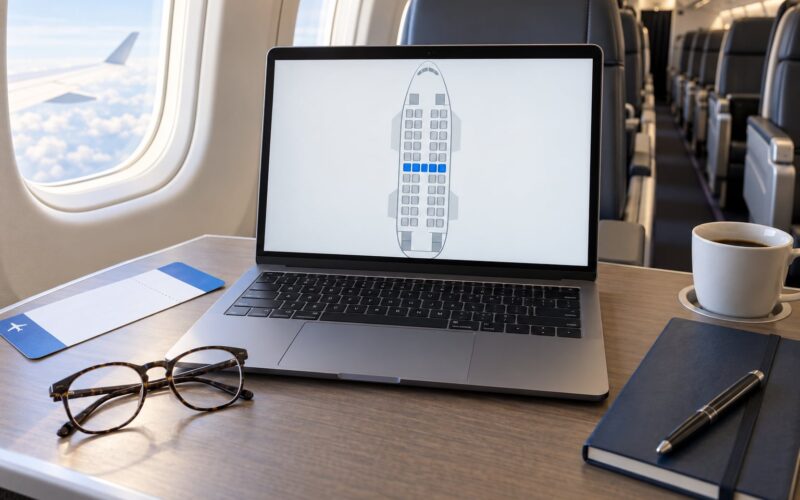
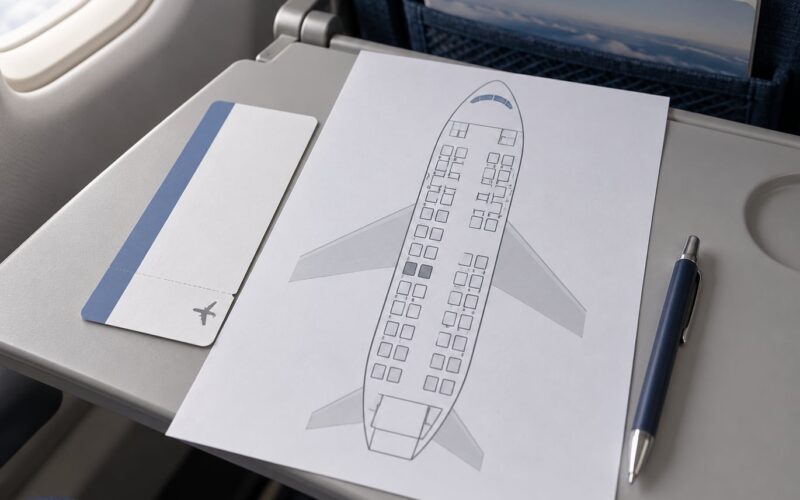
- Check the seat map for the exact flight number and date. Aircraft are swapped for schedules and seasons, so a map from another route or another week tells you very little.
- Read recent seat reviews for that aircraft type. Look for pitch under 32 inches or width under 17 inches as warning signs, and for repeated mentions of galley or lavatory bulkheads.
- Read the airline’s own seat notes. Some carriers flag no-recline rows and restricted exit rows directly on the map.
- Account for equipment you are carrying. Bassinets, child restraints, oxygen, walkers and mobility aids all need the airline’s accommodation process, not a seat click.
- Recheck at 24-hour online check-in, when held seats are released, and if the seat you paid for has vanished from the map, ask politely at the gate.
Sometimes the honest answer is neither. A standard aisle seat is the safer compromise when you are travelling with small children, need an unobstructed path to the exit for assistance, fly into a tight connection, or know you will be up for frequent lavatory runs.
Which Should You Choose?
Choose an eligible exit row when you want the most legroom the cabin offers and you can meet the age and ability rules. It wins on space and loses on flexibility: fewer tray-table options, sometimes a narrower seat, and sometimes no recline at all.
Choose a bulkhead when you want to sleep without someone reclining into your knees, when a footrest matters, or when you need flat floor space for a travel cot. You trade under-seat storage and a fixed armrest for that comfort.
Choose a standard aisle seat when you are flying with a lap infant, you are sensitive to disturbance, you need quick lavatory access, or you want an unobstructed route to the exit.
Frequently Asked Questions
Are bulkhead seats quieter than exit-row seats?
Not reliably. Some bulkheads sit behind a galley or lavatory and carry constant cart, queue and footstep noise, while exit rows near a door get airflow and boarding-traffic noise instead. Quiet depends on what the bulkhead wall actually is and where the exit row sits in the cabin, not on the seat label. Check reviews for the specific aircraft before assuming either one is calm.
Do exit-row seats always have the most legroom?
No. Exit rows win on raw space on most aircraft, but door-frame fittings can narrow the footwell and usable legroom can end up smaller than a deep bulkhead row. A passenger over six feet tall may prefer the bulkhead for footwell depth. The honest rule is to compare usable dimensions for your specific aircraft, not to assume the exit row is always largest.
Can a passenger travel with an infant in an exit row?
Generally no. U.S. rules require a minimum age, typically 15, and require the passenger to be able and willing to perform evacuation duties, which a lap infant prevents. Airlines commonly reassign families to another row after boarding and may place them automatically when you book. Request a bulkhead or bassinet row in advance instead, and confirm with the carrier.
Are bulkhead seats always available for a bassinet?
No. Bassinet positions are limited per aircraft and can sell out on busy routes, so request one when you book rather than at the gate. Some carriers attach a fee, and accessible seating policies can hold some bulkhead rows for passengers with disabilities. Bring your own cot as a backup and confirm the assignment before you travel, because bassinet frames do not always fit every bulkhead.
What should I do if both bulkhead and exit-row seats are unavailable?
Look at a standard aisle seat away from galleys, lavatories and the last row, and check whether a middle seat is likely to stay empty on your route. Booking earlier, using elite status, and refreshing at 24-hour check-in all widen your options when seats release. If you booked a paid preferred seat and it has disappeared, save screenshots and ask at the gate about reseating or a refund.
Conclusion
Exit rows give you more space, bulkheads give you a better night, and the aircraft decides which one actually delivers. Start by checking the seat map for your exact flight number and date, read recent reviews of that specific aircraft, and confirm exit-row eligibility or bassinet installation with the airline before you pay for anything.